new work

Profile Bluebill Decoys

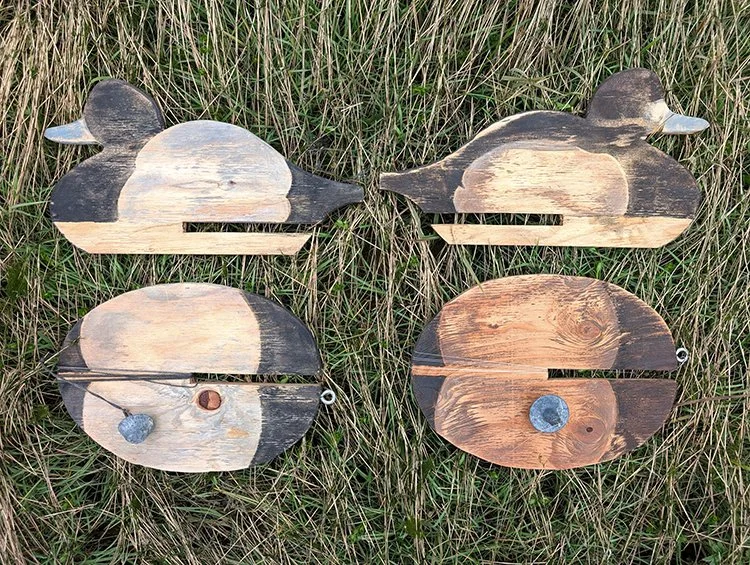
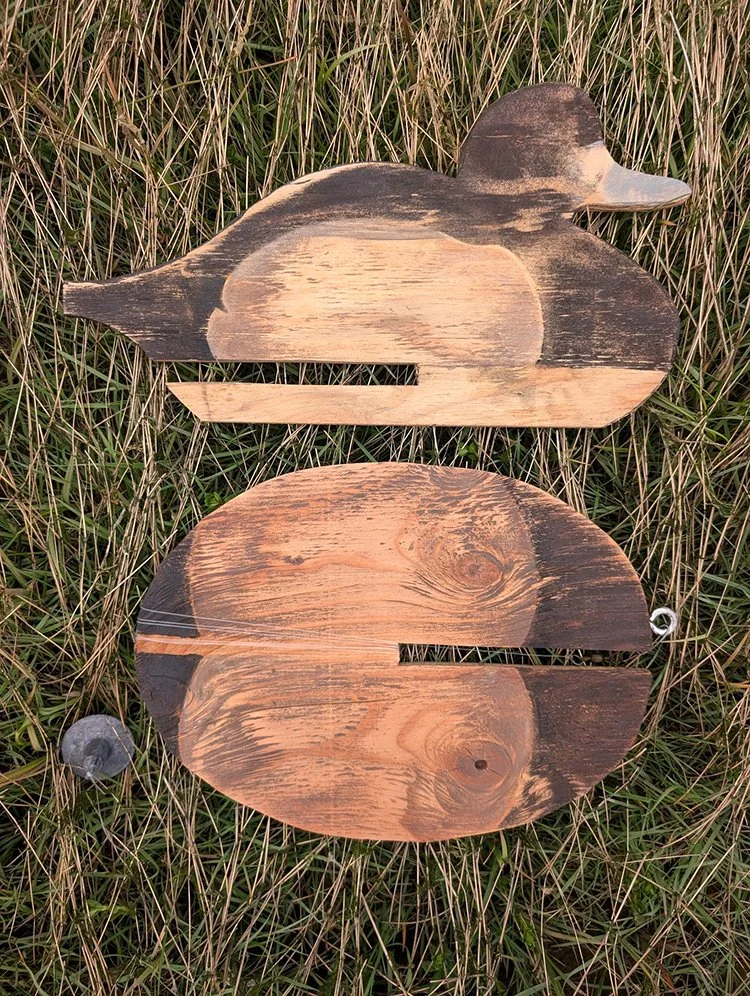
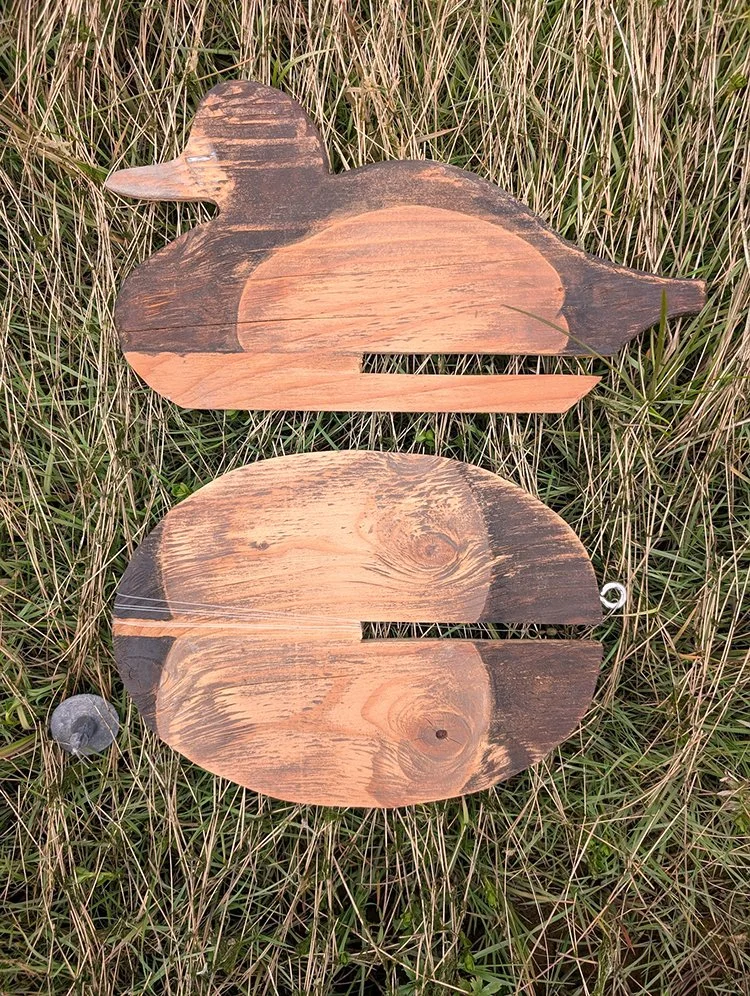
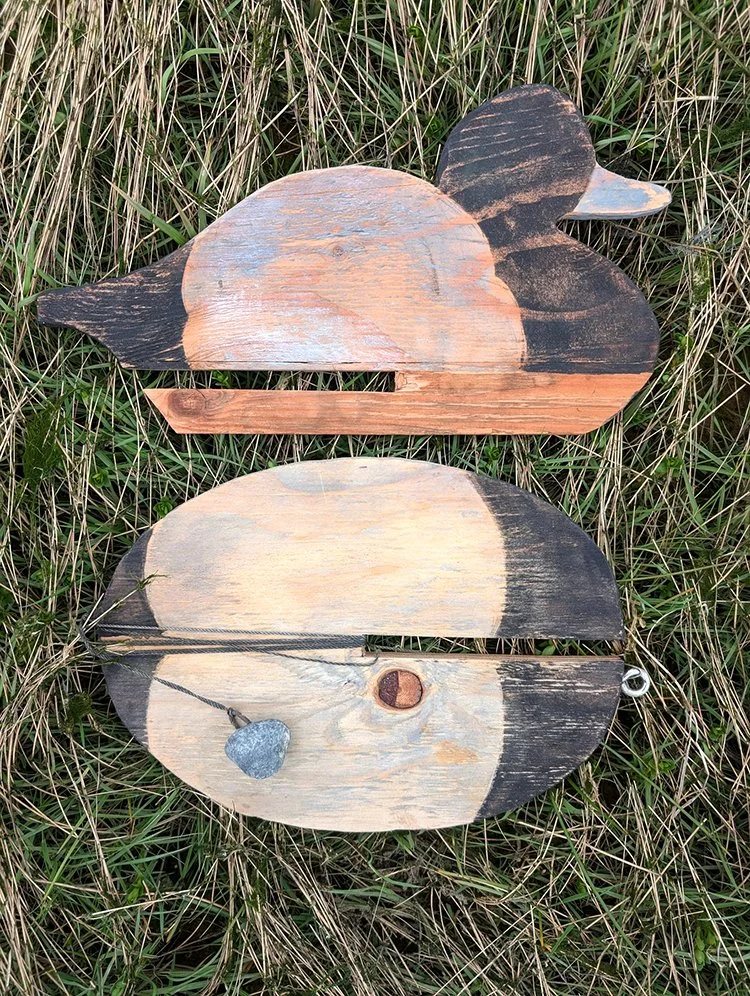
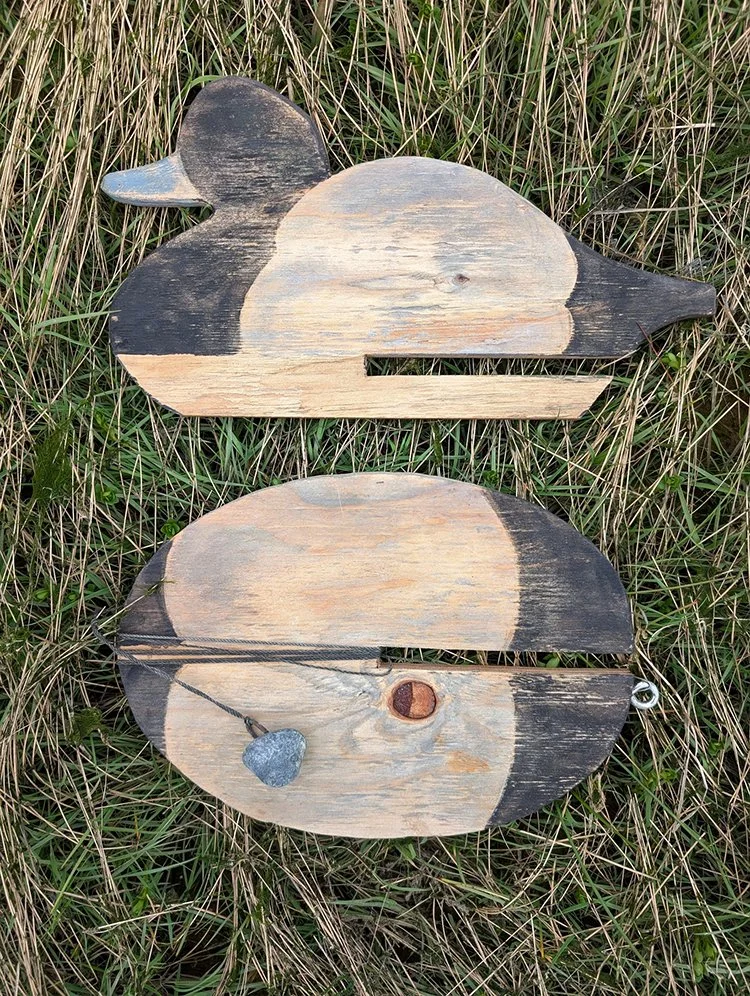
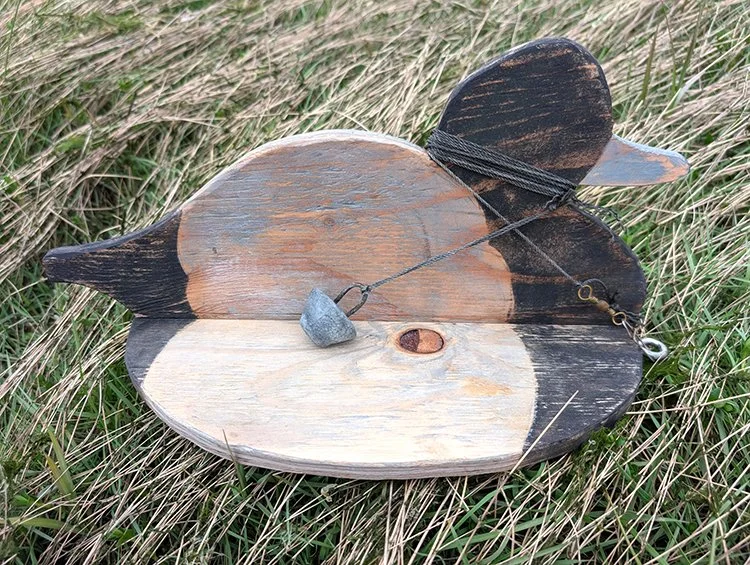
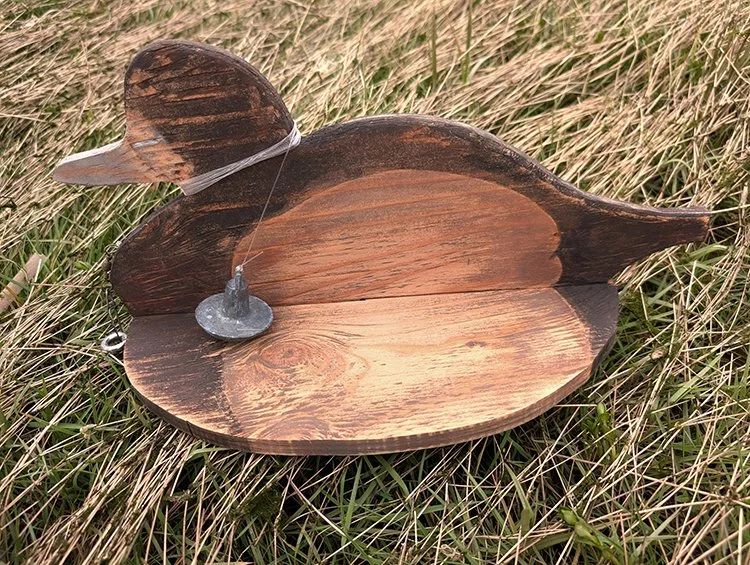
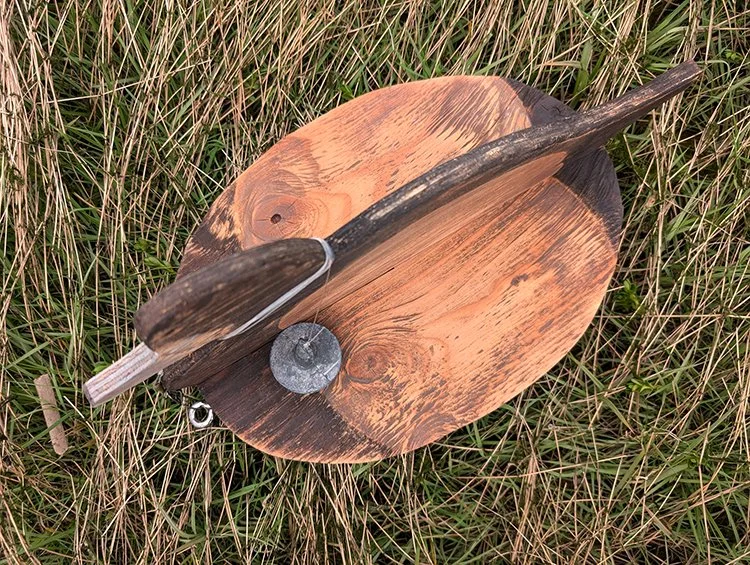
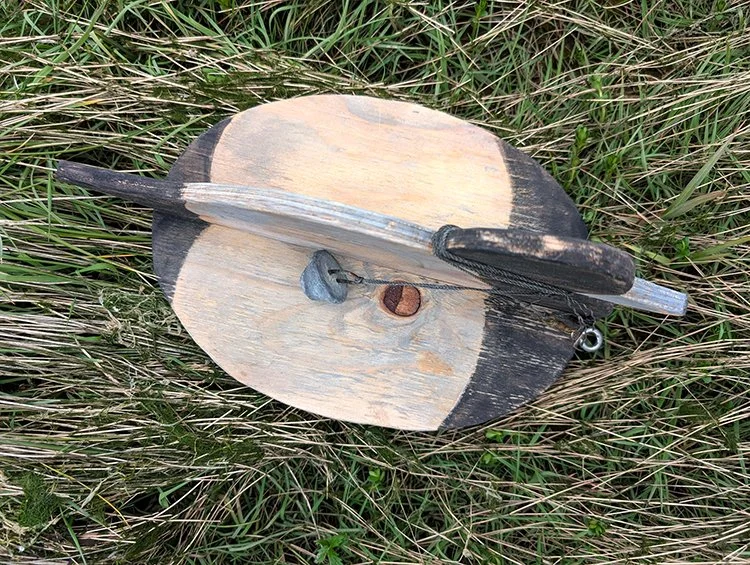
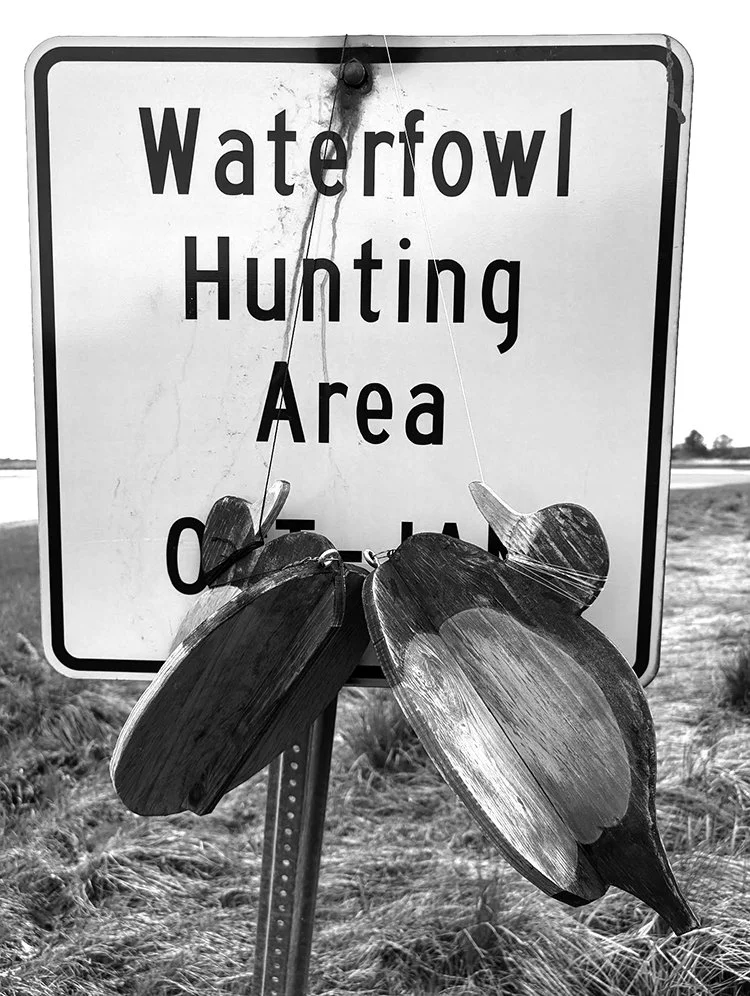
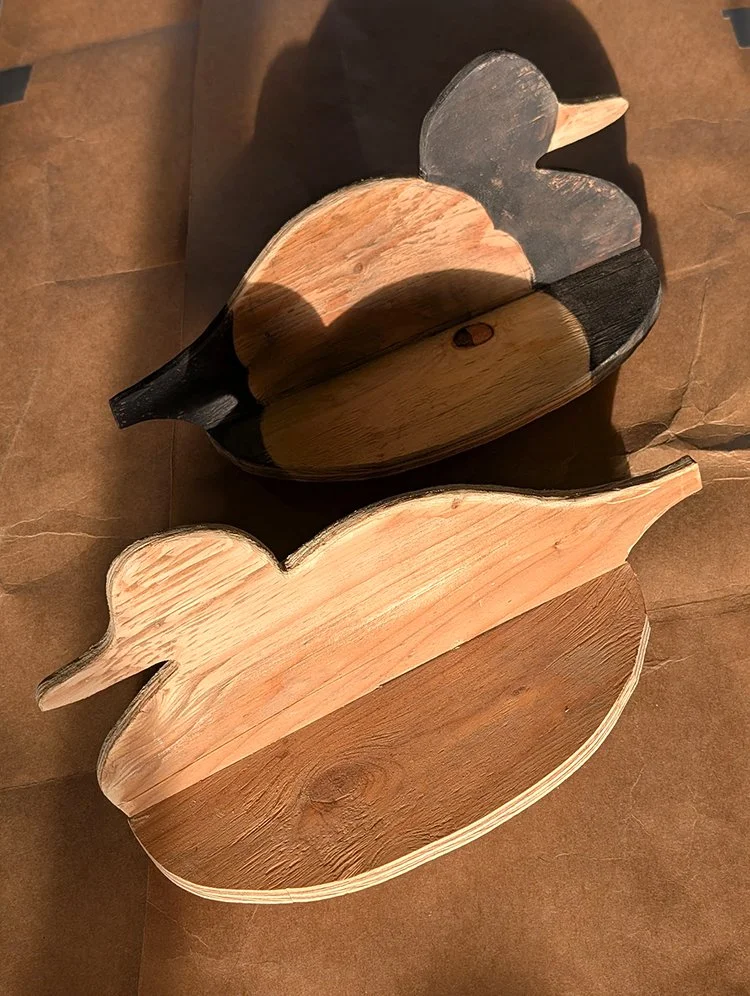
Wooden silhouettes appealed to hunters who required large numbers of lightweight, transportable waterfowl decoys that were made cheaply and quickly using only sawed boards and a fastening point for line and anchor.  

Fifty to upwards of two hundred “flatties” were set out at a time along coastlines in the paths of incoming flocks of birds, their dark colors contrasted against the water pulling in diver ducks such as scaup and scoters from the sky, wings cupped into shotgun range.

Silhouettes are still in use today although they are now mass produced and made of water-resistant, lightweight and ridged corrugated plastics.

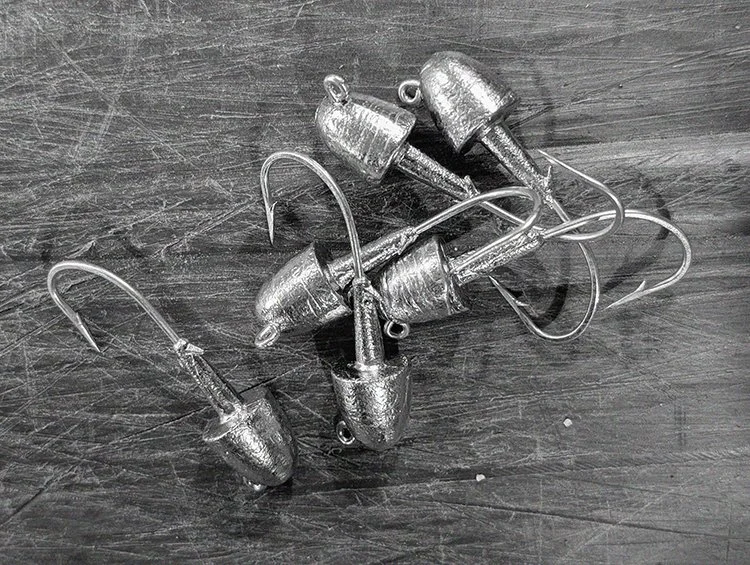
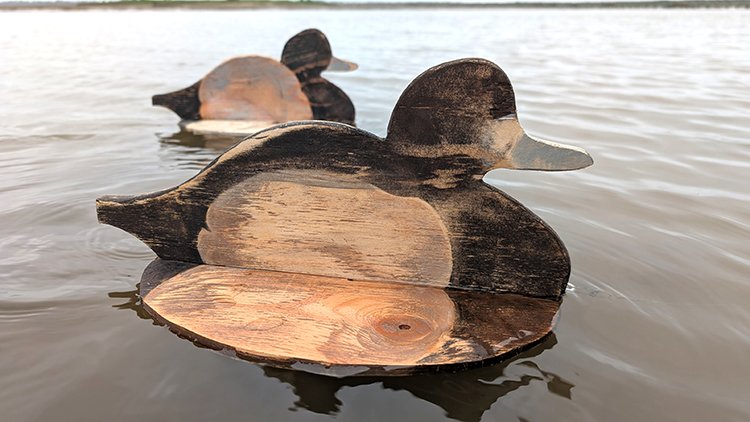
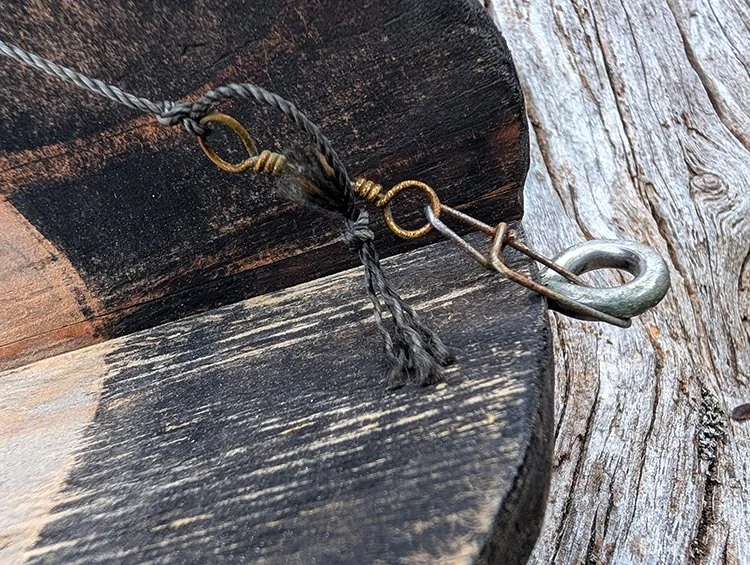
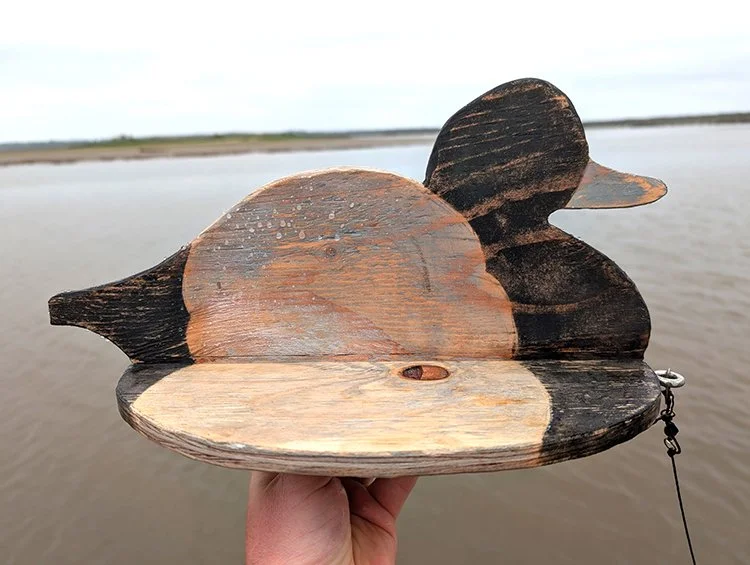
I made this pair of bluebills wanting to mimic a pair of nineteenth century working birds. The hardware is rusted, and the drake’s waxed line is faded, broken and has been retied, the hen’s line has been replaced by a stiff monofilament, both being tied to 6-ounce lead mushroom anchors for mooring in soft mud.

Each measure 14” from tail to breast, 16” wide and 7 ¼ inches from the top of the head to the bottom.

FOR SALE

In Progress

New Painting - Saiga Antelope

Saiga Antelope for Jaimie

A strange and wonderful animal for my lady.

16” X 11”

Acrylic on Panel

detail

progress

New Painting - Sand Shrimp

These creeps have been burrowing through mud flats since the supercontinent Pangea began breaking apart, and the first flowers bloomed. I can find living ones and fossilized ones within 20 miles of each other.

Mud, or sand shrimps are widely regarded as a supurb fishing bait for salmon, steelhead, and sturgeon. A nightmare to keep on a hook, use an egg loop, Miracle Thread or a similar elastic thread.

My reference specimens were dug near Seaside, Oregon, taken home and photographed.

9” X 14” Acrylic on Panel

Detail

Above: A Freshly dug, live shrimp, I pumped fresh from a mudflat.

Opposite: Claw parts; carpus, propodus, fixed finger and dactylus of a fossilized shrimp I found along the Columbia River.

Shrimp anatomy and natural history reference - https://depositsmag.com/2017/07/04/the-abundant-yet-understudied-fossil-record-of-ghost-shrimps/

New Painting

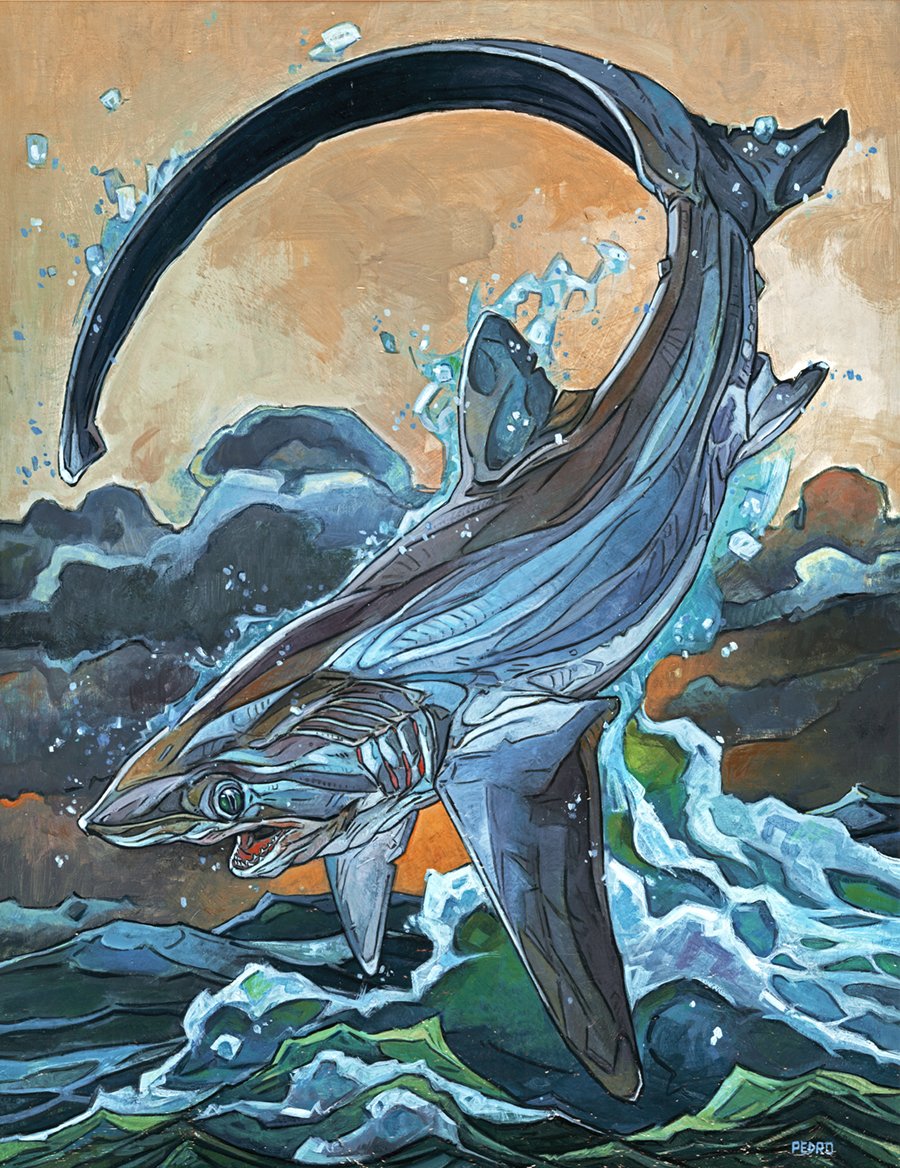
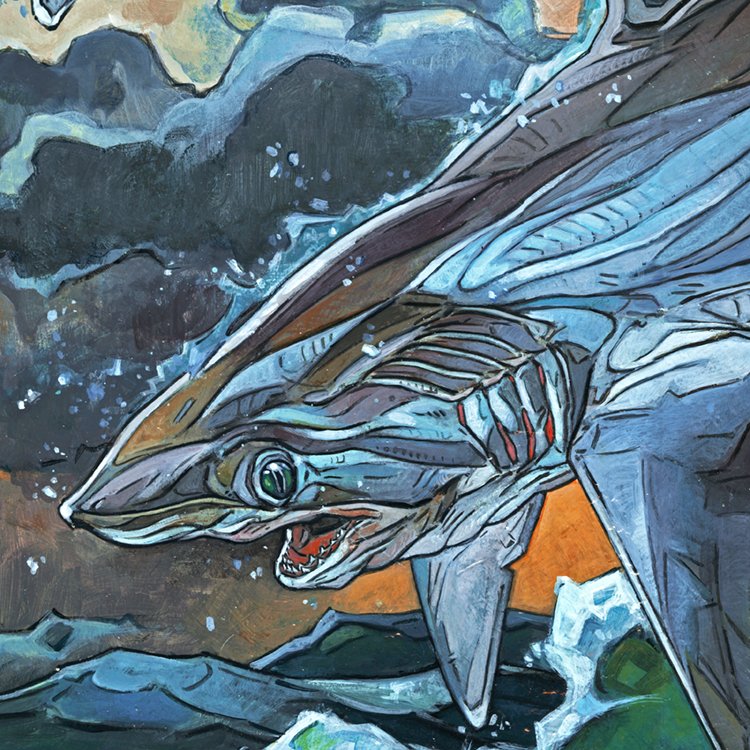
Slashing its extraordinary tail, a thresher shark breaks free from the water.

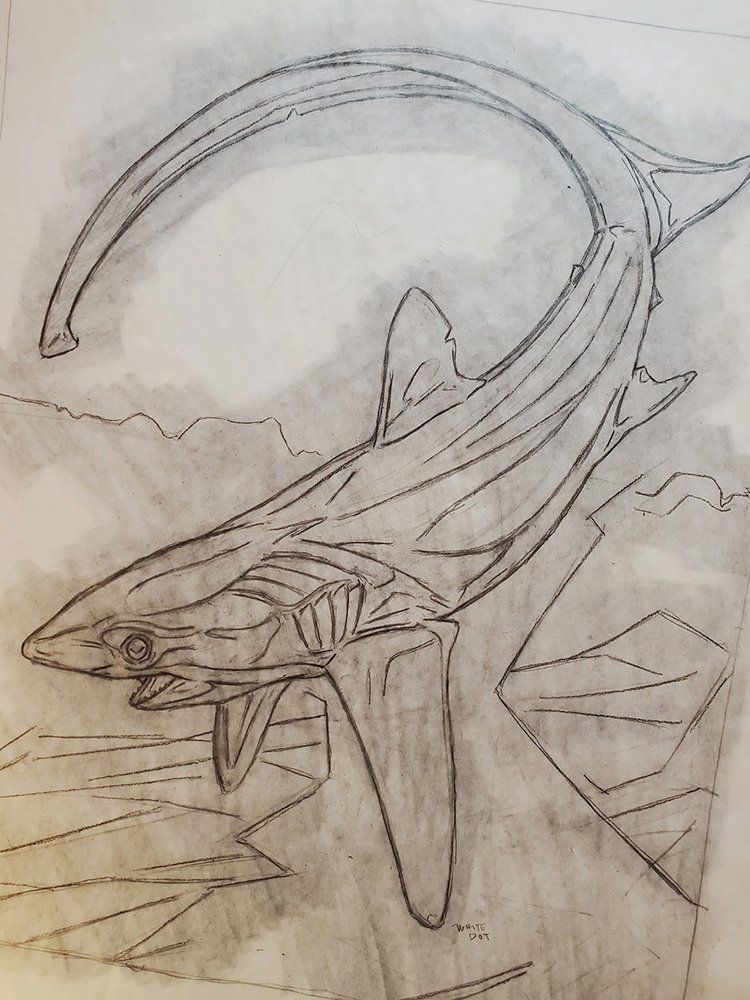
There’s no doubt in my mind that the thresher shark is one of the most spectacular fish in the sea. I’ve had this picture in my mind for around 2 years. Originally I wanted the shark to be hooked in the mouth, with the line trailing off to the right, out of the picture, to an unseen sportfishing boat. I changed my mind for two reasons, 1) I thought the line became too distracting and broke the composition flow, and 2) is there any reason to fish for sharks anymore? I don’t know but I doubt it. So I imagined this shark slashed at a school of baitfish, and its momentum caused it to break the water’s surface, and for some really lucky reason, you were there to see it.

* I stole the brownish sky color from Winslow Homer’s Gulf Stream.

*Now available as a print.